Heat-Resistant Plant-Based Proteins: Which Sources Stay Stable in Hot Weather
Discover which plant-based proteins stay stable in hot weather, how heat affects protein quality, and how to build a reliable summer plant-based diet.
By La rédaction de GreenEats Zone
·9 min read·Updated
In this article
TL;DR
- Legumes — lentils, chickpeas, black beans — are among the most heat-stable plant proteins; cooking actually improves their digestibility by neutralizing antinutrients.
- Isolated soy protein and tempeh retain their amino acid profile well under heat; tofu loses water and texture but not significant protein content when cooked properly.
- Hemp seeds and pumpkin seeds are reliable raw protein sources for hot days when cooking feels impractical — no heat needed, no degradation.
- Extreme temperatures (above 120°C / 248°F for prolonged periods) can reduce lysine availability via the Maillard reaction — relevant mainly for ultra-processed products, not whole foods.
- For hot climates, prioritize cold preparations (bean salads, hummus, seed-topped bowls) paired with vitamin C-rich foods to optimize iron absorption from plant sources.
What Actually Happens to Plant Protein in Heat
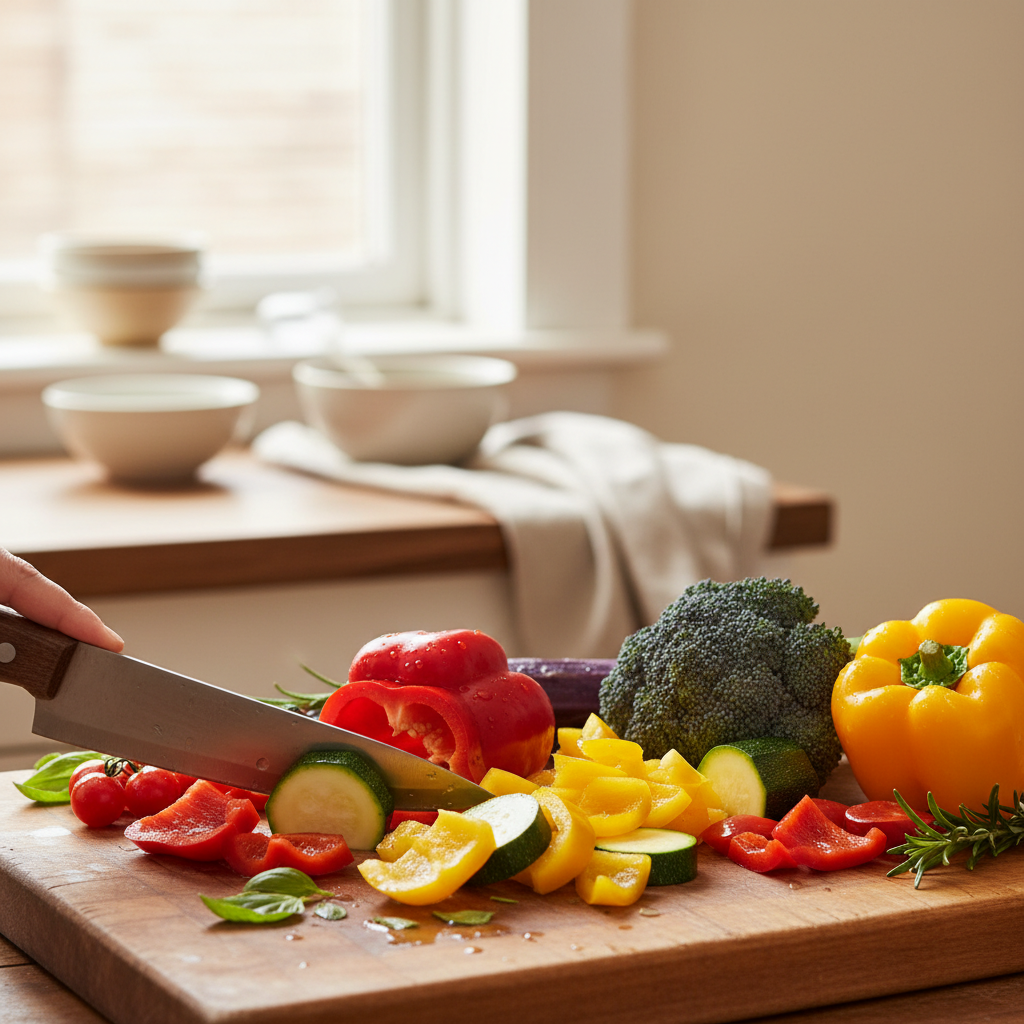
Protein stability is not a single property — it encompasses thermal denaturation, amino acid degradation, and changes in bioavailability. Understanding the difference between these three phenomena is what separates practical dietary advice from vague nutritional anxiety.
Thermal denaturation is the unfolding of protein structures when exposed to heat. For plant proteins, this typically begins around 60–80°C and is largely complete by 90°C. Crucially, denaturation does not mean destruction. It often means the protein is easier to digest because its peptide bonds become more accessible to digestive enzymes. This is why cooked legumes are nutritionally superior to raw ones in most contexts.
Amino acid degradation is the real concern. The Maillard reaction — a browning process triggered at sustained temperatures above approximately 120°C — can reduce the bioavailability of lysine, an essential amino acid present in meaningful quantities in legumes and soy. Research published in Food Chemistry (2021) confirmed that lysine loss accelerates significantly when foods are subjected to dry heat above 150°C for extended periods. This is relevant for extruded plant-based snacks and heavily processed meat alternatives, not for standard home cooking of whole foods.
Bioavailability changes work both ways. Heat destroys trypsin inhibitors in soybeans and lectins in kidney beans, both of which interfere with protein absorption when raw. A 2020 review in Nutrients (MDPI) found that cooking legumes increases their protein digestibility-corrected amino acid score (PDCAAS) by up to 20–30% compared to raw equivalents.
The Summer Context: Ambient Heat vs. Cooking Heat
One common confusion: summer heat — even 35–40°C outdoor temperatures — does not degrade the protein in your meal. The degradation concern is about cooking temperatures and food processing temperatures, not ambient air. What summer heat does affect is food safety: plant-based foods left at temperatures above 40°C for more than two hours enter the bacterial growth danger zone (source: U.S. Food & Drug Administration food safety guidelines). This is a microbial issue, not a protein chemistry issue. Keep your prepared meals refrigerated and your focus on the cooking methods you choose.
The Most Heat-Stable Plant Protein Sources Ranked
Legumes: The Benchmark
Lentils, chickpeas, black beans, and edamame are the most reliable plant proteins in hot climates and high-heat cooking. They are heat-stable by design: legume proteins (legumin and vicilin fractions) are globular proteins with relatively high thermal stability. Their functionality actually improves through cooking.
- Lentils: approximately 18g protein per 100g cooked (source: USDA FoodData Central). High in lysine. Boiling at 100°C for 20–30 minutes optimizes digestibility without meaningful amino acid loss.
- Chickpeas: approximately 9g protein per 100g cooked (source: USDA FoodData Central). The base of hummus — a cold preparation that preserves all protein value while avoiding additional cooking.
- Edamame: approximately 11g protein per 100g cooked (source: USDA FoodData Central). A complete protein source. Suitable for salads and cold bowls.
- Black beans: approximately 9g protein per 100g cooked (source: USDA FoodData Central). Excellent in cold preparations; tolerate reheating well.
Soy-Based Foods: High Performance Under Heat
Soy is the most extensively studied plant protein for thermal behavior. Its profile:
- Tempeh: Made through fermentation, tempeh's protein (approximately 19g per 100g, source: USDA FoodData Central) is already partially pre-digested by Rhizopus molds. Fermentation increases bioavailability and the protein structure handles pan-frying and grilling at standard cooking temperatures without significant nutritional loss.
- Tofu: Approximately 8g protein per 100g for firm tofu (source: USDA FoodData Central). Water content changes dramatically under heat (the tofu firms and loses mass), but protein content per gram of dry matter remains stable. Best for stir-fry, grilling, or cold in salads.
- Isolated soy protein (ISP): Used in protein powders and some processed foods. Highly refined, its amino acid profile is largely preserved during standard heat processing. The concern with ISP is excessive Maillard reaction during industrial spray-drying above 180°C — a manufacturing issue, not relevant to how you use it at home.
Seeds: The No-Cook Champions
For hot summer days when turning on a stove feels counterproductive, seeds are your structural protein allies.
- Hemp seeds: approximately 31g protein per 100g (source: USDA FoodData Central). Contain all essential amino acids. Require no cooking whatsoever. Sprinkle on salads, blend into smoothies, mix into overnight oats. Stable at room temperature for consumption; store in refrigerator to prevent fat oxidation.
- Pumpkin seeds (pepitas): approximately 30g protein per 100g, dry roasted (source: USDA FoodData Central). High in arginine and zinc. Dry roasting at 160°C does not cause meaningful protein degradation in the 15–20 minute range.
- Sunflower seeds: approximately 21g protein per 100g, dry roasted (source: USDA FoodData Central). A practical topping for cold grain bowls.
Whole Grains: Supplementary, Not Primary
Quinoa deserves mention because it is a complete protein — containing all nine essential amino acids — at approximately 4g protein per 100g cooked (source: USDA FoodData Central). Its protein (including the albumin fraction) is moderately heat-stable. Quinoa salads made in advance and served cold are a practical summer staple. Amaranth follows a similar profile.
Plant Protein Sources to Handle Carefully in Heat
Not all plant proteins are created equal when heat enters the equation.
Pea protein isolate powders: Widely used in plant-based products. The pea protein concentrate is reasonably heat-stable, but many commercial blends include added nutrients (B12, iron) that can degrade under prolonged high heat. Follow label instructions and avoid adding protein powders to boiling liquids — mix into liquids that have cooled to below 70°C.
Wheat gluten (seitan): Approximately 25g protein per 100g (source: USDA FoodData Central). Heat-stable in terms of protein quantity, but seitan prepared with high-sodium sauces then reheated repeatedly can contribute to excess sodium intake — a compounding concern in hot weather when hydration is already stressed.
Processed plant-based meat alternatives: These products vary enormously. A 2022 analysis in npj Science of Food (Nature Portfolio) found that some extruded meat alternatives showed 10–15% reduction in lysine bioavailability compared to their raw ingredients due to the extrusion process (temperatures often 130–180°C). This is a manufacturing-level effect, not a home-cooking effect, but it's worth noting when comparing whole food sources to ultra-processed alternatives.
Building a Plant-Based Diet for Hot Climates
Cold Preparation Strategies
The most practical adaptation for summer is shifting toward cold or room-temperature preparations that maximize protein retention while minimizing kitchen heat and food safety risk.
- Overnight legume bowls: Cook a large batch of lentils or chickpeas early in the week. Refrigerate immediately. Build cold bowls throughout the week with raw vegetables, tahini dressing, and hemp seeds.
- Hummus as a protein vehicle: Two tablespoons of hummus provide approximately 2g protein and, combined with whole-grain pita or seed crackers, constitute a useful snack or meal component.
- Seed-based smoothies: Hemp seeds, pumpkin seeds, and plant-based protein powder blended with frozen fruit and plant milk — no cooking, high protein density, temperature-neutral.
Absorption Optimization in Heat
Summer affects not just what you eat but how your body processes nutrients. Hydration directly impacts gastric acid concentration and digestive enzyme activity. The practical implication: ensure adequate fluid intake (approximately 2–3 liters per day in hot weather for active adults, according to European Food Safety Authority hydration reference values) to maintain optimal digestive conditions for plant protein absorption.
Pairing plant proteins with vitamin C-rich foods — bell peppers, tomatoes, citrus — enhances non-heme iron absorption, which is especially important for plant-based eaters. A 2021 review in Current Developments in Nutrition (Oxford Academic) confirmed that ascorbic acid can increase non-heme iron absorption by a factor of two to four times.
Daily Protein Targets on a Plant-Based Diet
The European Food Safety Authority (EFSA) sets a protein reference intake of 0.83g per kilogram of body weight per day for adults. Some sports nutrition researchers, including those publishing in the Journal of the International Society of Sports Nutrition (2017), suggest plant-based athletes may benefit from targeting 1.0–1.1g/kg to account for the lower digestibility of plant proteins compared to animal proteins. In hot weather, when appetite may decrease, monitoring intake deliberately — rather than relying on intuitive eating alone — helps prevent inadvertent protein shortfalls.
Practical Summer Meal Framework
Breakfast: Overnight oats with hemp seeds (10g protein), almond butter (6g per 2 tbsp), and fresh berries — no cooking required.
Lunch: Large chickpea salad with cucumber, tomato, lemon juice, olive oil, and pumpkin seeds — approximately 18–22g protein depending on portion, fully cold preparation.
Snack: Hummus with raw vegetables and whole-grain crackers — approximately 6–8g protein.
Dinner: Lentil and quinoa bowl with roasted peppers (can be prepared earlier in the day when cooler) and tahini — approximately 20–25g protein.
Total estimated: 54–65g protein — adequate for a 65kg adult at the EFSA reference intake, achievable without significant hot-weather cooking.
Key Takeaways for the Heat-Conscious Plant-Based Eater
- The protein in whole plant foods does not degrade from ambient summer heat — the concern is food safety and cooking method.
- Standard boiling and light pan-frying (under 120°C) do not cause meaningful protein degradation in whole foods.
- Legumes, tempeh, hemp seeds, and pumpkin seeds are your most reliable heat-stable, nutrient-dense choices.
- Cold preparation strategies — batch-cooked legume bowls, seed toppings, no-cook smoothies — make summer plant-based eating practical and nutritionally complete.
- Monitor hydration and pair iron-containing plant proteins with vitamin C sources year-round, but especially in summer.
FAQ
Q: Does leaving a plant-based meal in a hot car or on a summer picnic table degrade its protein?
A: No — ambient temperatures of 30–40°C do not cause protein degradation. What they do cause is bacterial growth if food sits above 40°C for more than two hours (U.S. FDA food safety guidelines). Protein chemistry remains intact; microbial safety does not. Keep prepared plant-based meals in a cooler with ice packs when outdoors in summer.
Q: Is protein powder less effective in summer if I mix it into warm liquid?
A: Mixing plant-based protein powder into liquids below 70°C causes no meaningful amino acid loss. Avoid adding it to boiling water or hot soups above 100°C for extended periods, as this increases Maillard reaction risk. For smoothies and room-temperature drinks, heat is not a factor.
Q: Which plant protein is best for someone who doesn't want to cook in summer?
A: Hemp seeds and pumpkin seeds require no cooking and provide approximately 30g protein per 100g. Canned chickpeas and lentils are pre-cooked and ready to use cold straight from the can (rinse well to reduce sodium). These three sources cover essential amino acid needs well when combined across the day.
Q: Do plant-based proteins in hot climates provide enough complete amino acid profiles?
A: Yes, with variety. No single plant protein (except soy, hemp, and quinoa) contains all essential amino acids in optimal ratios, but eating a variety across the day — legumes + seeds + grains — provides a complete profile. A 2019 position paper from the Academy of Nutrition and Dietetics confirmed that well-planned plant-based diets meet all essential amino acid requirements.
Q: Does cooking tempeh or tofu in a hot wok destroy its protein?
A: Standard stir-frying at 160–180°C for 5–10 minutes does not cause significant protein destruction or meaningful lysine loss in whole soy foods. The Maillard reaction requires both high temperature and sustained duration — a quick stir-fry does not meet that threshold. Tempeh's pre-fermented protein structure is particularly resilient.
Q: Are there plant proteins I should avoid in summer for food safety reasons?
A: The concern is not the protein itself but preparation and storage. Cooked seitan and tofu-based dishes should be refrigerated within two hours of cooking and consumed within three to four days. Raw seed butters (tahini, hemp butter) are shelf-stable but should be refrigerated after opening in warm climates to prevent fat oxidation, which affects flavor and nutrient quality rather than protein content directly.
GreenEats Zone est édité par ENN Consulting SAS
Recommended reads
More in Plant-based diet guide →
Plant-Based Diet Environmental Impact Water Land
How much water and land does your protein source really use? Explore plant-based diet environmental impact on water and land in this data-driven comparison.
Plant-based diet environmental impact comparison
How much lower is the carbon footprint of a plant-based diet environmental impact comparison vs meat? Data-driven analysis by food category, with lifecycle figures and guidance.
Plant-Based Meat Nutritional Comparison Guide
Plant-based meat nutritional comparison of protein, sodium, fat & additives vs real meat — science-backed data to guide your diet transition in 2026.
Plant-Based Vitamin B12 Supplementation Needs
Understand plant-based vitamin B12 supplementation needs: why vegans face a near-universal B12 gap, the real RDA, and which supplement form and dose works.